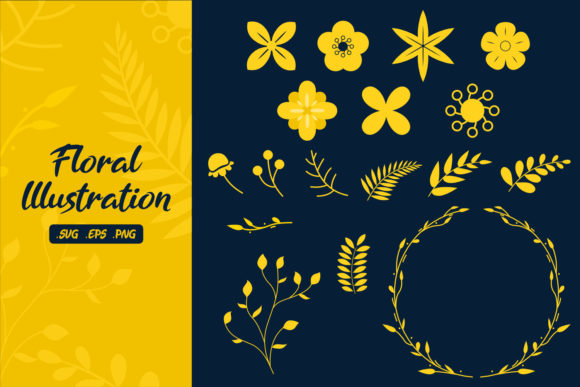
Exploring the Versatility of Floral Illustrations in Modern Design
Introduction to Floral Illustrations
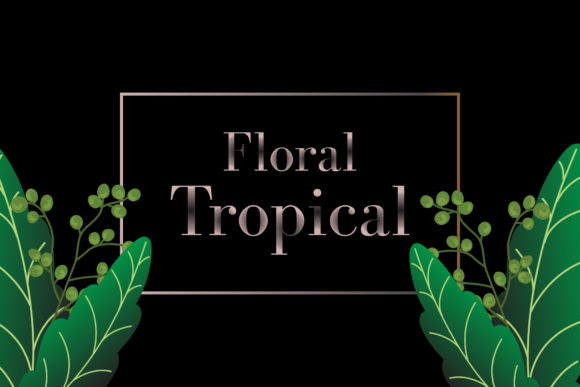
Floral illustrations, with their intricate details and vibrant colors, have long been a staple in the world of design. These artistic representations of flowers and plants can transform any project, adding a touch of elegance and natural beauty. Whether used in digital or print formats, floral illustrations offer a versatile and visually appealing option for designers across various fields.
Types of Floral Illustrations
Floral illustrations come in several forms, each with its unique style and application. The most common types include:
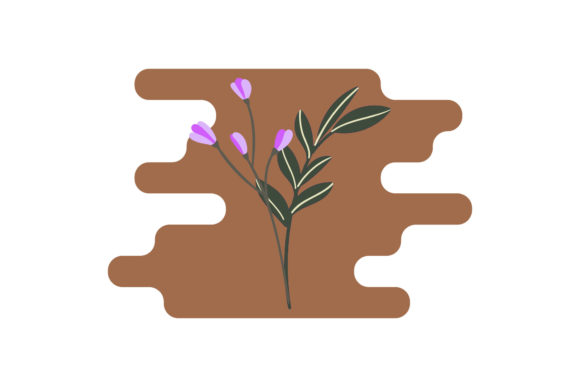
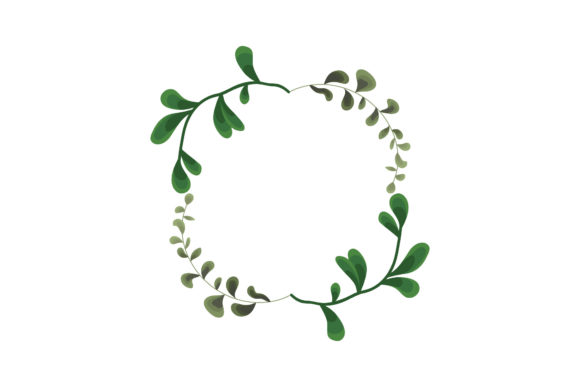
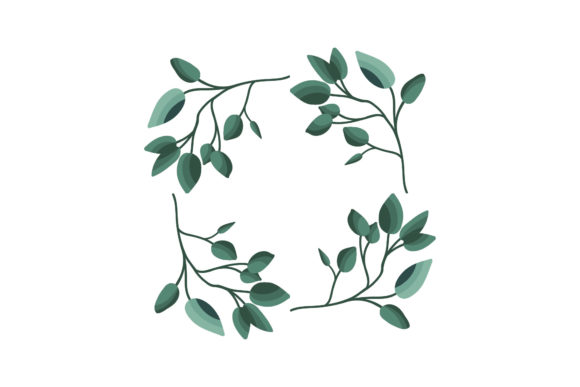
- Vector floral illustrations: These are scalable graphics that maintain quality at any size, making them ideal for both web and print projects.
- Hand-drawn floral illustrations: These add a personal, organic touch and are perfect for creating a more intimate and artisanal feel.
- Watercolor floral illustrations: Known for their soft, flowing lines and gentle color transitions, these are particularly popular in wedding invitations and feminine designs.
Advantages of Using Vector Floral Illustrations
Vector floral illustrations stand out due to their scalability and versatility. Here are some key advantages:
- Scalability: Vectors can be resized without losing quality, making them suitable for everything from small icons to large banners.
- Consistency: They provide a consistent look across different platforms and mediums, ensuring brand uniformity.
- Editability: Easy to modify and customize, vector illustrations allow for quick adjustments to fit specific design needs.
Applications of Floral Illustrations
The applications of floral illustrations are vast and varied, catering to a wide range of design needs. Here are some prominent uses:
Web Design
In web design, floral illustrations can be used to create engaging and visually rich interfaces. They can be incorporated into backgrounds, headers, and as decorative elements, enhancing the overall aesthetic of a website.
Mobile Apps
For mobile apps, especially those in the lifestyle, health, and wellness categories, floral illustrations can add a soothing and inviting touch. They can be used in app icons, splash screens, and within the user interface to create a cohesive and pleasant user experience.
Print Media
In print media, such as brochures, posters, and business cards, floral illustrations can bring a fresh and elegant look. Their high-resolution quality ensures that the final printed product is sharp and detailed, making a lasting impression on the audience.
File Formats and Compatibility
When using floral illustrations, it's essential to consider the file formats available. Commonly, these illustrations are provided in PNG, SVG, and EPS formats, each serving different purposes:
- PNG (Portable Network Graphics): Ideal for web use, offering transparency and good quality at smaller sizes.
- SVG (Scalable Vector Graphics): Perfect for web and mobile, allowing for scalability without loss of quality.
- EPS (Encapsulated PostScript): Suitable for high-quality print, providing excellent resolution and compatibility with professional design software.
Considerations for Using Floral Illustrations
While floral illustrations are highly versatile, there are a few considerations to keep in mind to ensure they are used effectively:
- Context and Audience: Choose illustrations that align with the context and target audience of your project. For example, more minimalist and modern designs may prefer clean, simple vector illustrations, while traditional or vintage projects might benefit from hand-drawn or watercolor styles.
- Color Schemes: Consider the color palette of your overall design. Floral illustrations should complement, not clash with, the existing colors to maintain a harmonious look.
- File Size and Performance: For web and mobile applications, be mindful of the file size. Large files can slow down load times, so opt for optimized versions of your illustrations.
Conclusion
Floral illustrations, whether in vector, hand-drawn, or watercolor form, offer a wealth of creative possibilities. Their ability to enhance visual appeal and add a touch of nature to any design makes them a valuable asset for designers. By understanding the different types, applications, and considerations, you can effectively integrate floral illustrations into your projects, creating beautiful and impactful designs.